


Asbestos exposure is linked to several serious diseases, and two of the most widely discussed are lung cancer and mesothelioma. Because both can follow exposure to asbestos in homes, apartment buildings, and other structures, people sometimes use the terms interchangeably. They are, however, different conditions that begin in different parts of the body and are approached differently by medical teams.

Understanding the distinction can help residents of older buildings make sense of medical information, ask better questions, and share relevant history with healthcare providers.
Where each disease begins
The most basic difference between these conditions is location. That difference shapes how each disease is detected, described, and treated.
Lung cancer starts in the lung tissue
Lung cancer develops in the cells that make up the lungs themselves, often in the airways or the small air sacs. Asbestos-related lung cancer typically appears as the same cell types seen in lung cancer from other causes, such as adenocarcinoma or squamous cell carcinoma. A pathologist usually cannot tell from the tumor alone whether asbestos played a role.
Mesothelioma starts in the lining
Mesothelioma arises from the mesothelium, a thin layer of tissue that surrounds the lungs, abdomen, and heart. Pleural mesothelioma, which affects the lining around the lungs, is the most common form. It is rare in the general population, and a large share of cases are associated with asbestos exposure.
How asbestos exposure relates to each condition
Both diseases are associated with inhaling asbestos fibers released from damaged or disturbed materials. The relationship between exposure and risk, however, is not identical.
Other contributing factors
Lung cancer has many potential causes, including smoking, radon, air pollution, and family history. When a person with asbestos exposure also smokes, the combined effect on lung cancer risk is especially pronounced. Mesothelioma, in contrast, is not considered to be caused by smoking, and asbestos is by far its most recognized risk factor.
Exposure in residential settings
In homes and apartment buildings, exposure may occur when insulation, flooring, ceiling texture, or other older materials are damaged or removed without proper controls. Family members of workers who handled asbestos have also been exposed through dust carried home on clothing. Any of these exposure routes may be relevant to either disease.
Latency periods
Both conditions usually develop many years after exposure. Asbestos-related lung cancer often appears 15 to 35 years or more after exposure began, while mesothelioma frequently takes even longer, sometimes 30 to 50 years. This long delay can make it difficult for people to connect a diagnosis with a home or building they lived in decades earlier.
Differences in symptoms and diagnosis
Early symptoms of both diseases can be vague and may overlap with common respiratory conditions. Evaluation by a healthcare provider is the only way to determine the cause.
Symptoms people may notice
Lung cancer may cause a persistent cough, coughing up blood, chest discomfort, or repeated chest infections. Pleural mesothelioma more often begins with shortness of breath or chest pain related to fluid buildup around the lungs. Fatigue and unexplained weight loss can occur with either disease.
How clinicians investigate
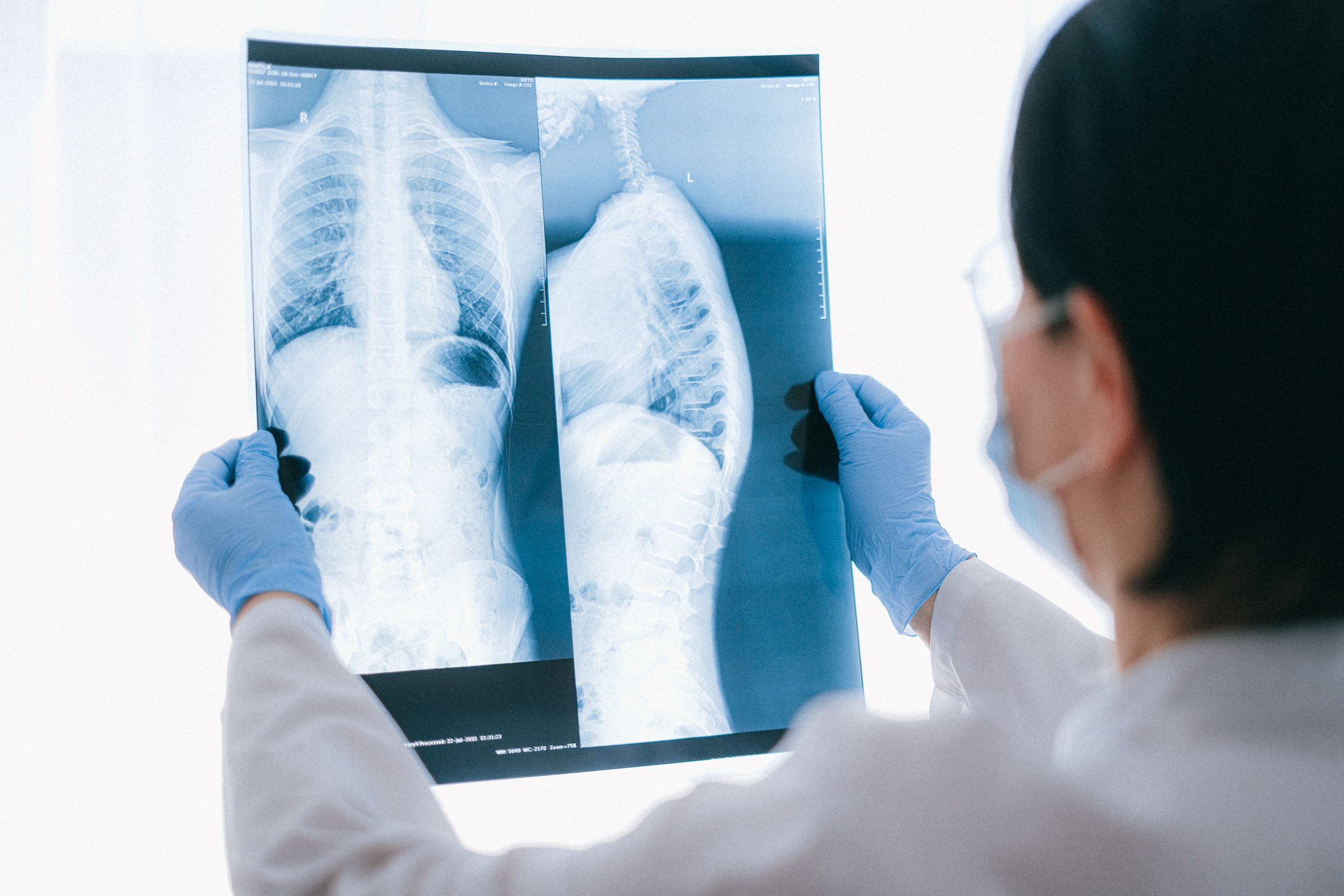
Imaging such as chest X-rays and CT scans can reveal masses, fluid, or thickening of the lung lining. A biopsy is generally needed to confirm a diagnosis and identify the specific type of cancer. For mesothelioma, specialized tissue testing helps distinguish it from other cancers that can spread to the lining of the lungs.
Clues of past asbestos exposure
Some people with significant asbestos exposure develop pleural plaques, which are areas of thickened tissue on the lung lining, or asbestosis, a form of lung scarring. These findings do not mean cancer is present, but they can indicate past exposure and may be noted during imaging.
Why the distinction matters
Knowing which disease is involved affects much more than terminology. It shapes the medical plan and the information a patient may need going forward.
Treatment approaches
Treatment options for lung cancer depend on the cell type, stage, and genetic features of the tumor, and may include surgery, radiation, chemotherapy, targeted therapy, or immunotherapy. Mesothelioma treatment is often coordinated by specialists familiar with this uncommon disease, and options are selected based on its type and extent.
Documenting exposure history
For either diagnosis, a clear record of where and how exposure may have occurred can be useful to medical teams. Residents can note the buildings they lived in, approximate years, renovation projects, and any household members who worked with asbestos. This information may also matter later if questions arise about responsibility for the exposure.
Questions to ask after an asbestos-related diagnosis
A diagnosis of either disease can raise many questions. Writing them down before an appointment helps patients and families make the most of limited time with the care team.
Questions about the diagnosis
Patients may ask which type of cancer was found, how the diagnosis was confirmed, and whether additional testing could clarify the cancer’s features. It is also reasonable to ask whether a second opinion from a center experienced with asbestos-related disease would be useful.
Questions about care and support
Other helpful questions include what treatment options are available, what side effects to expect, and which support services, such as nutrition counseling or social work, the treatment center offers.
Protecting yourself in older buildings
Whether the concern is lung cancer or mesothelioma, prevention focuses on avoiding the release of asbestos fibers.
Practical precautions
Avoid disturbing materials that may contain asbestos, especially during repairs or remodeling. Have suspect materials tested by a qualified inspector before work begins, and use licensed abatement professionals when removal is necessary. Renters who notice damaged materials in their unit or in shared spaces can report the condition to building management in writing.
Reducing other lung risks
Because smoking greatly amplifies asbestos-related lung cancer risk, quitting smoking is one of the most meaningful steps a person with past exposure can take. Testing a home for radon is another practical way to address a separate, well-established cause of lung cancer.