


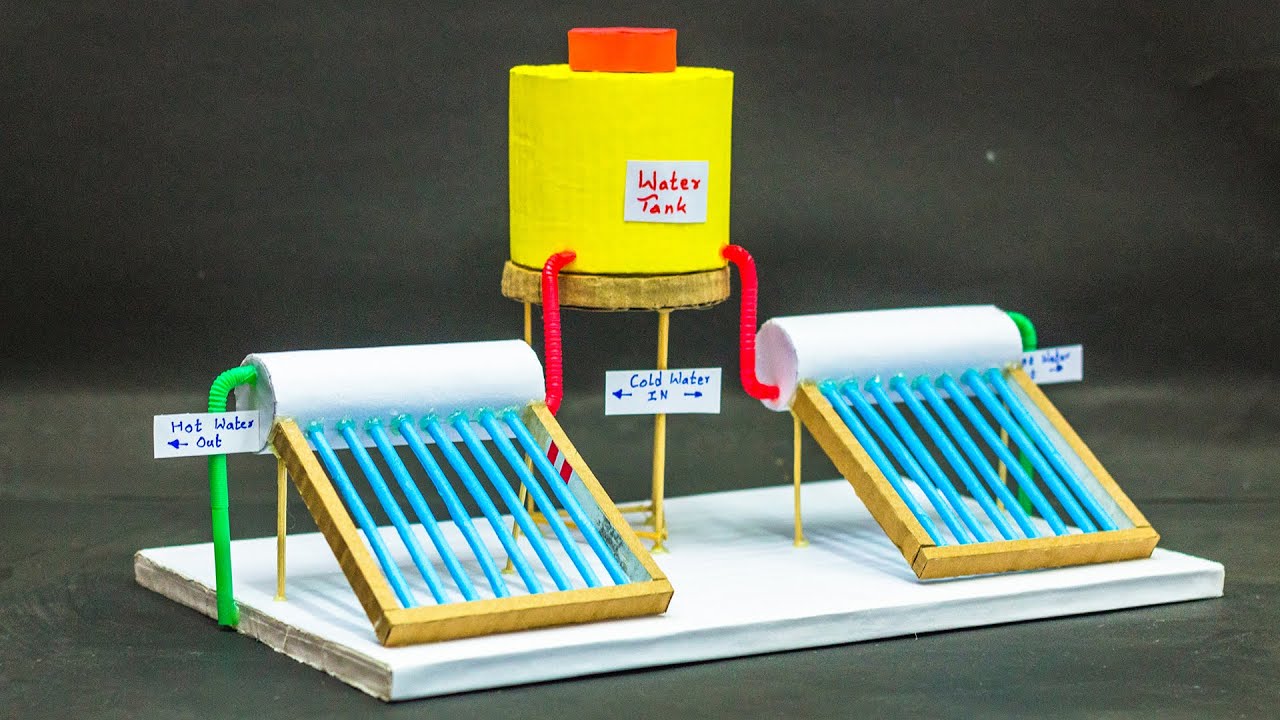
Here is a question most homeowners have never tested: how hot is your hot water, really? The dial on the water heater gives a number, or a vague line between “low” and “high,” but dials are not thermometers. The answer matters for safety, for energy use, and for knowing whether your system is working the way you think it is.

This is a simple experiment you can run in ten minutes. It also gives you something concrete to bring to the table when you talk to a plumber about the right setup for a water heater in Fishers or anywhere else in Central Indiana.
The Hypothesis
Most people assume their water heater delivers the temperature it was set to. The hypothesis to test is that your tap water is at a safe, intended temperature of around 120°F, give or take a few degrees.
Here is why it deserves a test. A study of 976 urban homes, published in the Journal of Burn Care & Research and archived by CDC Stacks, found hot water at unsafe temperatures in 41 percent of homes, even though manufacturers adopted a voluntary standard in the 1980s to pre-set new water heaters to 120°F. The authors note that tap water scalds are estimated to cause 1,500 hospital admissions and 100 deaths per year in the United States.
What the Study Found About Dials
The most surprising result concerns the gauge. In the study, 11 percent of gas water heaters delivered water at 130°F or higher even though the dial was set below 75 percent of its maximum. In other words, a setting that looks moderate doesn’t guarantee moderate water.
Other findings that could apply to your home:
- Homeowners fared better than renters. 63 percent of owners had water at or below 120°F, compared with 54 percent of renters.
- Electric units did better than gas. Electric water heaters were more likely to deliver safe temperatures.
- Capacity mattered. Water heaters with more gallons per person in the household were more likely to be at or below 120°F.
The study’s conclusion is that temperatures remain dangerously high in a substantial share of homes. It points to thermostatic mixing valves as a useful safeguard.
Materials
- A cooking, candy or meat thermometer that reads at least 140°F
- A cup or glass
- A pen and paper
- A few minutes when no one needs hot water
Procedure
- Pick your test faucet. Use the hot tap closest to the water heater, since long pipe runs lose heat.
- Run the hot water until it stops getting hotter, usually a few minutes, so you’re measuring water straight from the heater and not water sitting in the pipes.
- Fill the cup and hold the thermometer in the water, not touching the glass.
- Read the highest stable temperature and write it down.
- Repeat once at a second faucet, such as a bathroom sink, and note any difference.
- Record the dial setting and the type of water heater, such as gas or electric, with the approximate age if you know it.
Safety first: Test water gently into a cup, away from children, and avoid holding your hands under very hot water.
Reading Your Results
| Reading | What it suggests | Next step |
|---|---|---|
| About 120°F or lower | In the commonly recommended range | Keep monitoring, retest each season |
| 125°F to 130°F | A bit high, especially with children or older adults at home | Ask a plumber about adjusting the setting |
| 130°F or higher | Hotter than the recommended level | Have it checked soon |
| Large gap between faucets | Possible issue with piping, mixing or a failing thermostat | Mention it to a plumber |
| Very low or fluctuating | Possible element, burner or thermostat problem | Schedule service |
Remember, this experiment measures one moment. The study notes that the dial on its own isn’t a reliable gauge, which is exactly why a thermometer is the right tool.
A Note About Adjusting the Temperature
Lowering the setting is not always a one-minute job.
- Electric water heaters typically have two thermostats behind access panels, and power must be shut off at the breaker before opening anything. If you’re not comfortable with that, don’t try it.
- Gas water heaters have a control dial, and adjustments should follow the manufacturer’s instructions.
- Households with young children or older adults may want an extra layer of protection. A thermostatic mixing valve, as the CDC-archived study suggests, helps keep delivered temperatures safe even if the tank runs hot.
A plumber can adjust the setting, test the result and tell you whether anything else is amiss.
Other Variables Worth Watching
While you’re next to the water heater, note a few other things:
- Rust-colored water, popping or rumbling noises can point to sediment or tank wear. Hard water leaves mineral buildup that can affect fixtures and water heaters, which is one reason some homes pair water heaters with a softener.
- Moisture at the base or rust on fittings can signal a slow leak.
- Age. If you don’t know how old the unit is, check the label for the manufacture date.
- Capacity. If the hot water runs out too quickly, the tank may be too small for the household, which matches the study’s note about gallons per person.
When to Bring in a Professional
Call if your reading is high, if you see any leak, if the water has no heat at all, or if the unit is old and acting up. All-Pro Plumbing Services is a locally owned plumbing company based in Fishers that repairs, replaces and installs gas and electric water heaters and tankless systems, and its technicians are Delta PRO certified. Its website lists 24/7 emergency service and more than 30 years of experience. You can reach the team at 317-281-5510.
Lab Notes: What to Do With Your Data
- Write down the date, the temperature and the dial setting
- Retest after any adjustment
- Retest each season, since small changes can add up
- Share your numbers with the plumber at your next visit
The Conclusion
The result of the experiment is simple. Don’t guess at your water temperature, because the dial can’t tell you. Ten minutes and a thermometer can give you a real answer, and a real answer is the best starting point for any water heater decision.