

Every summer around Shelby County, roll off dumpsters show up in driveways and parking lots. They fill with torn shingles, soggy insulation boards and long strips of old membrane. Some of that debris truly had nothing left to give. A surprising share of it did. Roofs often get replaced because of their age or a gut feeling rather than a real diagnosis. Once a roof is in the dumpster, nobody can ask how many good years it still had.

That question is central to how Bennett Roofing and Restoration works across Greater Memphis. For more than twenty years, churches, property managers and community associations have relied on the company to stretch the life of their roofs instead of hauling them away. Restoration is not a magic coat of paint, though, and not every roof earns a second life. Here is how that call actually gets made.
Moisture Gets the First Vote
Restoration starts beneath the surface. A coating sealed over damp insulation acts like a lid on a slow cooker. Trapped water keeps working on the deck and fasteners, and the roof decays from the inside while looking spotless from above.
Careful contractors begin with a moisture survey. An infrared scan taken around dusk shows where saturated insulation holds the day’s heat longer than dry board. Handheld meters confirm the suspect areas. A few small core cuts settle any doubt and also reveal how many layers the roof already has.
Memphis gets more than fifty inches of rain in a typical year, and summer storms can drop a good portion of a month’s total in an afternoon. On a low slope roof with sagging spots, that water can sit for days. Those ponds are where wet insulation usually turns up first.
Wet sections get cut out and replaced with new board before any restoration work continues. When saturation spreads across a large part of the roof, many coating manufacturers will not back the system with a warranty. At that stage the owner is paying to rebuild most of the roof anyway.
The Skin Has to Hold Together
Dry insulation is necessary but not enough. The existing membrane or metal must be sound enough to bond with something new.
Good candidates usually show membranes that still flex, seams that are mostly intact and metal panels with surface rust but solid steel underneath. Warning signs include TPO that has shrunk and pulled away from the parapet walls, modified bitumen cracked down to its reinforcing mat, metal rusted completely through, and decking that sags underfoot. A roof showing several of these problems is past the point where a coating can help.
What the Work Actually Involves
A legitimate restoration follows a sequence. When a bid describes the job in a single line, ask what is being left out.
- The roof is cleaned thoroughly, usually by pressure washing. Areas around kitchen exhausts at churches and restaurants often need a degreaser because grease prevents coatings from bonding.
- Seams, flashings, pitch pans and penetrations are repaired, and wet sections are cut out and replaced.
- Reinforcing fabric is embedded at seams, curbs and corners, where movement tends to concentrate.
- Test patches are applied and pulled to check adhesion. The results show whether a primer is needed.
- Base and top coats are applied to the thickness the manufacturer specifies, measured in mils.
- Thickness readings are taken across the roof, recorded and photographed, because the warranty depends on them.
Step four is the one most often skipped, and skipping it explains many coatings that peel after only a few summers.
Matching Chemistry to Mid South Weather
The coating itself matters as much as the preparation, and each family of products behaves differently in a Memphis year.
Silicone tolerates ponding water and strong ultraviolet light better than most options. That makes it a common choice for flat roofs that never drain perfectly. Its weakness is that very few materials will stick to it later, so future repairs usually require more silicone.
Acrylic costs less and reflects heat well, but it does not handle standing water. It also needs warm, dry conditions while it cures. Rain arriving too soon after application can wash a fresh coat right off the roof.
Urethane is tougher, resists foot traffic and impact, and is often chosen for roofs that see frequent HVAC service visits or areas exposed to hail.
Most restoration coatings are bright white, which helps significantly during Memphis summers. The EPA’s guidance on cool roofs explains how reflective surfaces reduce roof temperatures and cooling demand. That benefit is substantial for a sanctuary or warehouse with a large air conditioning load. The region’s occasional ice storms are the other side of the climate. Cold snaps put stress on brittle seams, so most crews schedule coating work from spring through early fall, when the forecast allows enough dry days.
Sloped Roofs Have Joined the Discussion
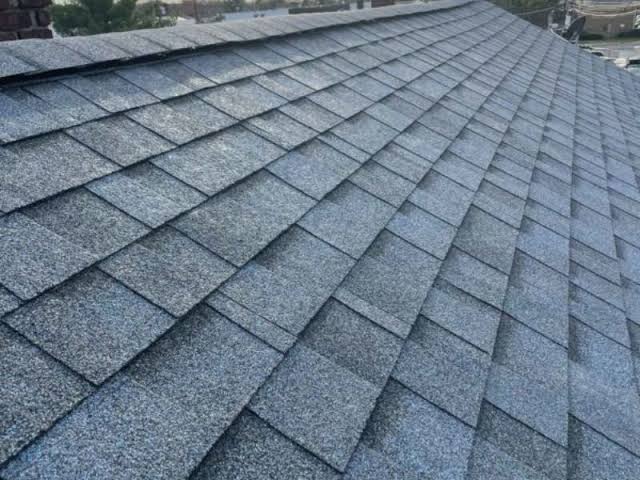
Restoration was once almost entirely a commercial flat roof practice. That is changing. Plant based shingle rejuvenators are sprayed onto aging asphalt shingles to restore some of the oils lost to years of sun exposure, which brings back flexibility. They work only on shingles that still have most of their granules. They cannot repair hail bruises, lifted tabs or a rotten deck, and anyone claiming otherwise is overselling the product.
Metal roofs on homes, detached shops and barns are another strong fit. Restoring these often means replacing backed out screws with oversized fasteners, sealing laps, treating rust and then applying a coating. Townhome associations with long rows of shared low slope roofs face the same flat roof decisions commercial owners do, simply at a different scale.
When the Honest Answer Is No
Sometimes a roof should come off, and a trustworthy roofer will say so. A soft deck, widespread wet insulation and severe shrinkage are all valid reasons. Layer limits matter as well. Building codes generally cap how many roof coverings can be stacked on one structure. A recover adds a layer, while a coating typically does not, but the final answer depends on the local building official. An insurance claim that will cover a full replacement after a major hailstorm also changes the math.
The Paper Trail Buys the Next Decade
The most valuable product of a restoration may be the records it leaves behind. Core cut results, thickness readings, before and after photos and warranty terms tell the next contractor exactly what is on the roof. Coated roofs can often be cleaned and recoated near the end of their warranty term instead of being torn off. A well documented roof can go through several of these renewals, each adding years at a fraction of the cost and with almost nothing sent to the landfill.
That is the real value behind keeping a roof out of the dumpster. It isn’t about refusing to replace roofs. It is about knowing exactly what a roof still has left before deciding its fate, and keeping careful records so the next decision is just as well informed.