

A new generation of seniors is redefining what it means to age in place, and architecture is at the heart of this transformation. When senior residences are planned with intention, they empower residents to live with dignity, safety, and joy. But thoughtful design is more than just meeting accessibility codes or adding grab bars; it demands a nuanced understanding of the everyday realities and aspirations of older adults.

Challenges Facing Senior Residences Today
For many, the path through a typical senior residence is filled with obstacles both physical and emotional. Navigating these challenges highlights the urgent need for architectural solutions that go beyond the basics.
Accessibility Barriers and Mobility Limitations
Wheelchairs, walkers, and canes are common companions for senior residents, yet narrow doorways, awkwardly placed steps, and inaccessible bathrooms remain prevalent. This not only hinders independence but can also foster feelings of frustration and dependence.
Safety Concerns in Design and Layout
Falls are the leading cause of injury among older adults. Poorly lit corridors, slippery floors, and confusing layouts increase risk. Simple missteps can have life-altering consequences, making safety a critical design imperative.
Social Isolation and Limited Community Engagement
Even in communal settings, seniors can feel isolated. Residences without inviting common areas or accessible outdoor spaces often leave residents disconnected from one another, leading to loneliness and its associated health impacts.
Inefficient Circulation and Wayfinding Issues
Maze-like hallways and indistinguishable doors can create confusion, particularly for those with cognitive decline. If moving from bedroom to dining room feels daunting, residents are less likely to participate in daily activities.
Environmental Comfort and Health Factors
Temperature swings, poor ventilation, and institutional lighting all chip away at comfort and wellness. Environments that neglect these details can take a toll on both physical and mental health.
Principles of Thoughtful Architectural Planning for Senior Residences
Elevating senior living starts with design rooted in empathy and evidence. Each principle below addresses a key challenge while enhancing quality of life.
Prioritizing Universal Accessibility and Barrier-Free Design
True accessibility goes far beyond a ramp at the entrance. It includes wide corridors, zero-threshold showers, lever handles, and easily navigable common areas. Barrier-free design lets residents move freely whether they use mobility aids or not.
Enhancing Safety Through Smart Spatial Configurations
Designing with safety in mind means strategic placement of lighting, non-slip surfaces, and clear sightlines. Emergency call systems should be seamlessly integrated, not intrusive. Well-planned layouts minimize risks and foster confidence.
Designing for Social Connection and Community Spaces
Shared lounges, gardens, and dining rooms that are easy to find and welcoming become the heart of a residence. Spaces intended for group activities, hobby clubs, or casual gatherings combat loneliness and encourage lasting friendships.
Optimizing Circulation Paths for Ease and Independence
Straightforward, uncluttered hallways, color-coded cues, and memorable landmarks help residents navigate with ease. These features reduce anxiety and boost participation in community life.
Incorporating Natural Light and Comfort Elements
Natural light not only lifts mood but supports healthy sleep cycles. Large windows, skylights, and views of nature create a sense of openness and vibrancy. Comfortable acoustics, gentle color palettes, and temperature control add to the sense of well-being.
Creating Adaptable and Flexible Living Spaces
Aging is not static. Modular furniture, movable walls, and multi-purpose rooms allow spaces to evolve with residents’ needs. Adaptable design supports rehabilitation after illness and accommodates the shifting requirements of care.
Innovative Solutions in Senior Residence Architecture
Leaders in the field are reimagining what senior living can be. For example, Stendel + Reich architect emphasizes a holistic approach, blending safety, community, and comfort into every project. Their work demonstrates how thoughtful planning translates into tangible quality-of-life improvements.
Technology is also playing a growing role. Automated lighting, sensor-based fall detection, and voice-activated controls allow for greater independence while maintaining safety. When paired with non-institutional materials, like wood, soft textiles, and warm finishes, even high-tech spaces can feel inviting.
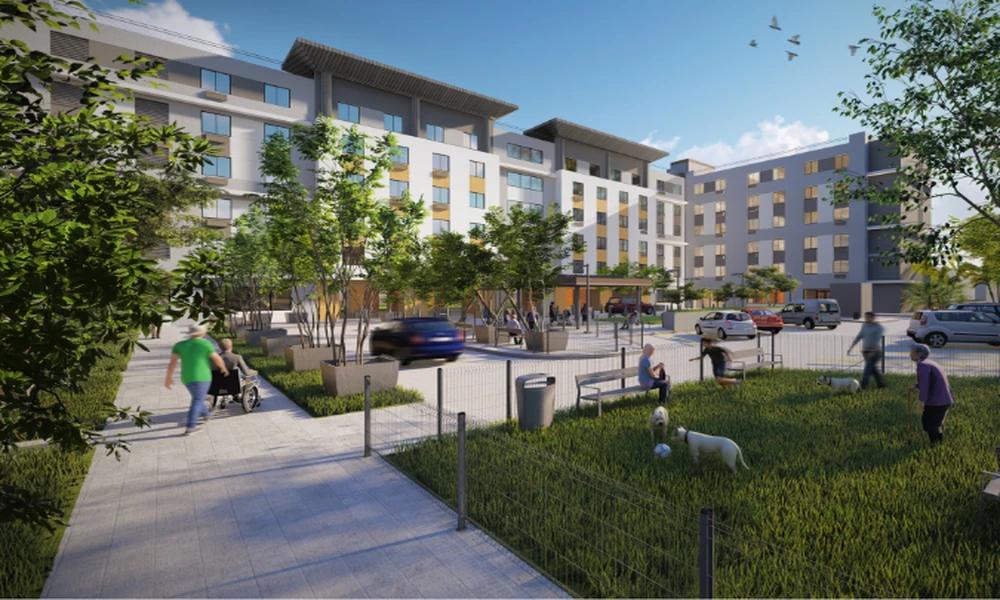
Outdoor spaces are no longer an afterthought. Secure walking paths, shaded seating areas, and accessible gardens encourage movement and social interaction, supporting both physical activity and mental well-being.
Actionable Steps for Stakeholders
Transforming senior residences requires a proactive, collaborative approach.
– Early involvement of architects ensures design aligns with care philosophy and resident needs.
– Conducting resident and caregiver assessments uncovers unique preferences and everyday challenges.
– Emphasizing sustainability brings long-term financial and environmental benefits.
– Phased improvements let existing facilities evolve without major disruption.
– Regular feedback from the community helps refine and perfect the living environment.
Future Trends Shaping Senior Residence Design
Looking ahead, the boundaries between generations are blurring. Multi-generational and mixed-use communities are rising, where seniors interact daily with families, students, and professionals.
Smart home technologies, think remote health monitoring and adaptive automation, are becoming standard, allowing seniors to age in place well beyond traditional facilities.
Flexible, scalable designs are responding to demographic shifts, making it possible to accommodate changing care levels and population sizes as needs evolve.
Thoughtful architectural planning is more than a blueprint; it is a commitment to honoring the lives and futures of those we serve. The best senior residences result when design supports not just living, but thriving, at every stage of aging.