

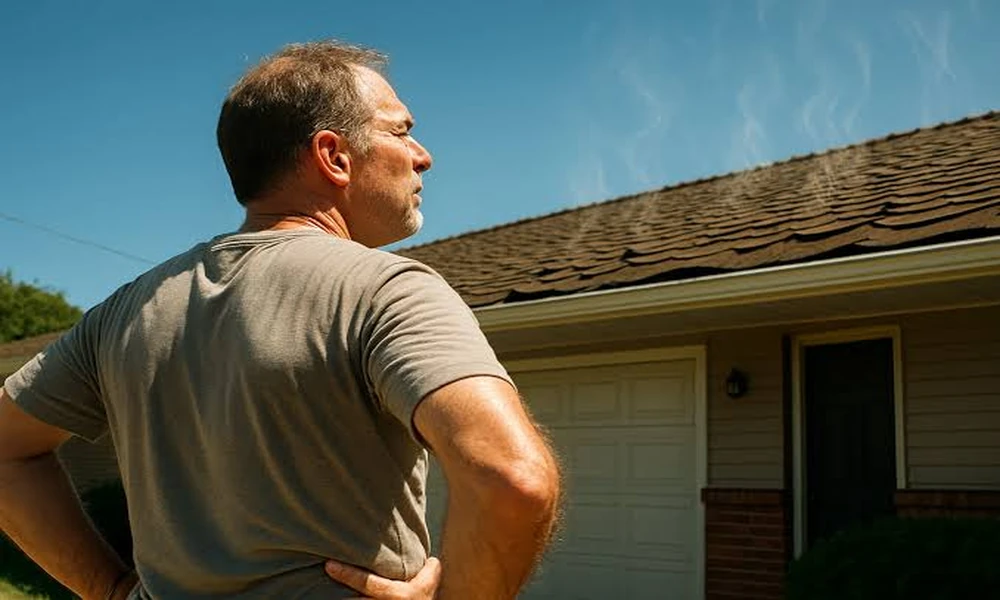
If you have lived in the Mid-South for even one summer, you know the feeling of stepping outside at 4 p.m. and walking into a wall of heat. Your roof feels that heat long before you do. Day after day, it sits under direct sun with nowhere to hide, and the damage builds quietly. Local homeowners often turn to Bennett Roofing and Restoration once that wear has already started to show, but knowing what heat does to a roof can help you catch problems much earlier.

Your Roof Takes the Hardest Hit
Walls get sunlight at an angle for part of the day. A roof faces the sky all day long. On a hot Memphis afternoon, the surface of a dark asphalt shingle can run far hotter than the air around it, and that heat soaks down into the roof deck and the attic below. Then the sun sets, temperatures drop, and the materials contract. That daily swing from hot to cool is called thermal cycling, and over years it is one of the biggest contributors to roof aging.
What Heat Does to Shingles
Asphalt shingles are made to last, but they are not immune to constant heat. Here is what the wear typically looks like:
- Granule loss. The small mineral granules on the surface protect the asphalt underneath from UV rays. As shingles age, granules wash off into your gutters, leaving bare spots that wear faster.
- Curling and cupping. Edges lift or the center of the shingle dips as the material dries out and shrinks unevenly.
- Blistering. Trapped moisture or gases can form small bubbles that pop and leave rough, exposed patches.
- Brittleness. Older shingles lose flexibility and crack easily, especially during the first strong storm after a long hot stretch.
If you notice dark streaks of granules near your downspouts or see edges that no longer lie flat, treat it as an early warning rather than a cosmetic issue.
The Attic Is Half the Story
Many people look only at the shingles, but the attic matters just as much. In summer, an under-ventilated attic traps heat that radiates back up into the roof deck from below. That means your shingles are being heated from both sides.
Good ventilation lets hot air escape and fresh air flow in, usually through a mix of intake vents at the eaves and exhaust vents near the ridge. Signs your attic may not be breathing well include:
- Upstairs rooms that stay noticeably warmer than the rest of the house
- Air conditioning that runs constantly yet struggles to keep up
- Musty smells or damp insulation, since Memphis humidity makes poor airflow worse
- Rusty nails or dark staining on the underside of the roof deck
Can Roof Color and Materials Help?
Yes, and this is where it gets interesting. Reflective roofing, often called cool roofing, is designed to bounce sunlight away and release heat instead of absorbing it. According to the ENERGY STAR cool roofing guide, cool roofs can lower indoor temperatures, reduce air conditioning costs, and slow the degradation of roof materials because the surface stays cooler. The guide also notes that cool roofs tend to save the most energy in hot, sunny climates like the Southern U.S., which describes Memphis well.
You do not need to switch to a bright white roof to benefit. Newer coatings and materials make it possible to get strong reflectivity in a range of colors, including options in shingles, metal, and tile. If you are planning a replacement, it is worth asking your contractor about reflective products and how they compare on cost and appearance.
Small Habits That Extend Roof Life
- Clear leaves and debris from the roof and gutters so heat and moisture do not get trapped.
- Trim back overhanging branches that drop debris and can scrape shingles in wind.
- Schedule an inspection after a major heat wave or storm season, not only when you see a leak.
- Check your attic on a hot afternoon. If it feels like an oven, ventilation deserves a closer look.
When to Call a Professional
Some warning signs are easy to spot from the ground, but others are not. Climbing onto a hot, sloped roof is risky, and it is easy to miss early damage without experience. Call a licensed roofer if you see:
- Shingles that are cracked, curled, or missing
- Bald patches where granules have worn away
- Water stains on ceilings or walls
- Daylight visible through the attic boards
- Energy bills climbing for no clear reason
A professional inspection can tell you whether you need a simple repair, better ventilation, or a full replacement, and catching it early almost always costs less than waiting for a leak.
The Bottom Line
Heat is a slow, steady force on your roof, and Memphis summers give it plenty of time to work. Understanding how shingles age, keeping your attic ventilated, and considering reflective materials when it is time to replace can add years to your roof and take pressure off your cooling bill. Pay attention to the small signs now, and your roof will be far better prepared for whatever the next season brings.