

Introduction
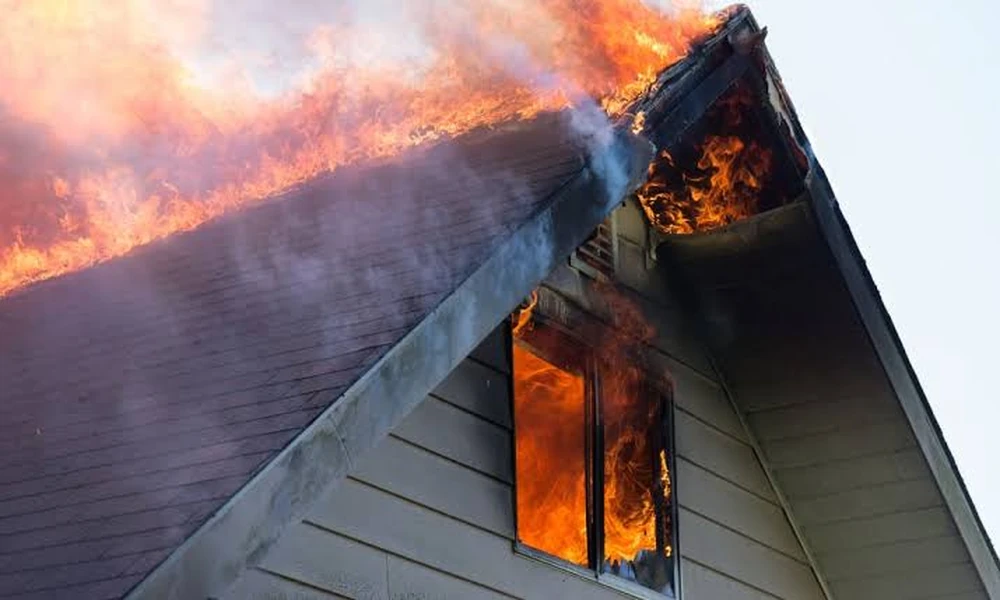
Most people think of a fire watch guard as someone who spots accidents, like a heater left on or a spark from welding. But a visible guard can also stop someone from setting a fire on purpose. Arson is a real risk for empty buildings, construction sites and places with a lot of stored goods. Here is how a fire watch helps keep those fires from starting.

Because vacant properties and active job sites are prime targets for opportunistic trespassers, deploying trained Fire Watch Guards provides a proactive layer of security that cameras alone cannot match. Their consistent presence on-site discourages unauthorized entry, spots early signs of tampering before a match is ever struck, and keeps vulnerable buildings protected around the clock.
Being Seen Is the First Defense
Most people who set fires do it when they think nobody is watching. A guard walking the property in a uniform, with a flashlight and a radio, makes that choice a lot harder. Even just seeing a person on site at different times can make someone give up and leave. A building that looks cared for and watched is simply a less attractive target than one that looks empty and forgotten. Good lighting and a working camera near the guard’s route help even more.
Places Where Arson Is Most Likely
Vacant buildings, half-finished construction sites and old warehouses are the usual targets. Doors may be unlocked, windows broken and piles of waste lying around. Fire alarm systems are sometimes turned off or not yet installed. Those are the exact conditions that lead to a fire watch being ordered, so a guard is often already there when the building is at its weakest. Dark corners and back lots deserve extra attention. Stacks of pallets and dumpsters next to walls give an arsonist easy fuel, so ask the owner to move them back.
What the Guard Looks For
On each round, the guard checks fences, gates, doors and windows for signs of someone getting in. Look for fresh footprints, cut locks, a strange smell of petrol or lighter fluid, and piles of paper or rags that were not there before. Report any of these straight away, even if you are not sure. Never confront a suspect alone. Your job is to watch, write it down and call for help, not to chase anyone. If you notice something odd outside the building, such as a gate left open, note the time too.
Records and Teamwork
Good notes can make a big difference later. If something does happen, a log showing the time of each round, what was seen and who was called can help the fire department and the police work out what went on. Guards should also share what they noticed with the next shift, so that a pattern, like the same car showing up each night, does not get missed. Working with the owner and local officers on lighting and locks makes the site harder to approach.
Conclusion
A fire watch guard is a deterrent as much as a safety check. Being visible, checking weak spots and writing down what you see all lower the chance of someone setting a fire. For owners of empty or risky buildings, that extra protection can be well worth the cost.