

Decorating a home involves more than selecting furniture and choosing the right colour palette. The smaller details, including lighting, accessories, and artwork, help create an atmosphere that reflects personal taste. Among these elements, wall art offers a simple way to introduce colour, express creativity, and make an interior feel more complete.

Whether you live in an HDB flat, a condominium, or a landed property, thoughtfully selected artwork can transform an ordinary wall into an attractive focal point. It can bring warmth to a minimalist living room, add character to a bedroom, or create a welcoming impression near the entrance. Understanding how to choose the right artwork makes it easier to achieve a balanced and comfortable living environment.
1. Understand Your Interior Design Style
Before choosing artwork, consider the existing design of your home. Furniture, flooring, wall colours, and decorative accessories all influence which pieces will fit naturally into the space.
For modern interiors, abstract prints, geometric designs, and minimalist artwork can complement clean lines and simple furniture. Neutral colours such as beige, white, and grey create a subtle appearance, while occasional darker shades add contrast.
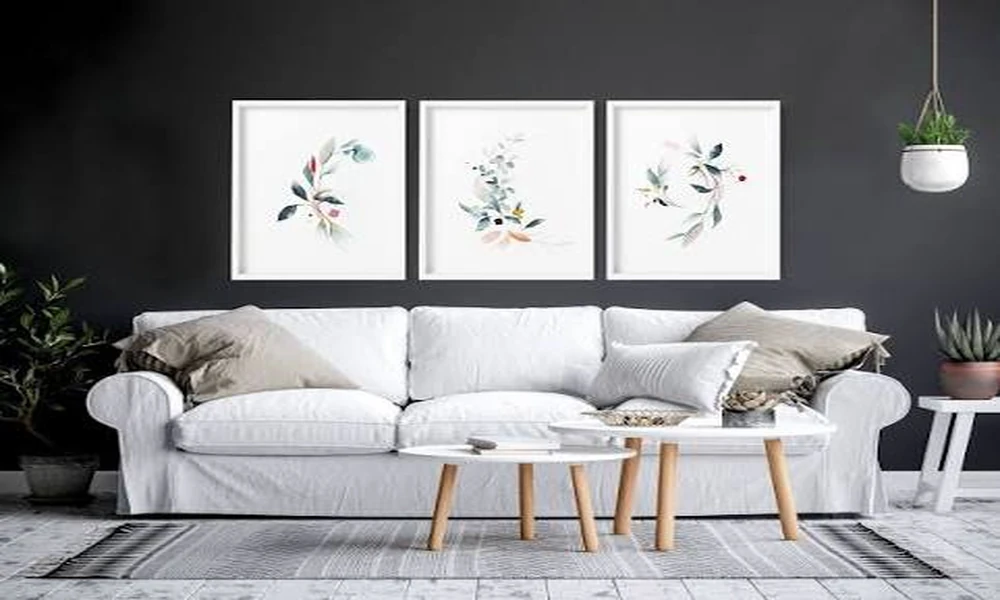
Homes with a Scandinavian or Japandi aesthetic often benefit from nature inspired artwork, organic shapes, and muted colour palettes. These designs work particularly well with light wood furniture, natural textures, and uncluttered surroundings.
If your home features a more traditional style, consider landscape paintings, botanical illustrations, or classic framed prints. These can introduce a sense of familiarity without making the room feel outdated.
The most important consideration is consistency. Artwork does not need to match every item in the room, but it should complement the overall atmosphere you want to create.
2. Select Artwork Based on Room Size
The dimensions of a room should influence the size and arrangement of its artwork. A large painting may look impressive in a spacious living room, but the same piece could overwhelm a smaller bedroom.
Start by measuring the available wall space and considering the furniture beneath it. Artwork displayed above a sofa, console table, or bed should generally maintain a visual relationship with the furniture rather than appearing disconnected.
For compact rooms, a single medium sized print or a carefully arranged pair of smaller pieces can create interest without making the space feel crowded. Larger rooms offer more flexibility, allowing homeowners to display statement pieces or create gallery walls with several coordinated artworks.
Placement matters just as much as size. Artwork hung too high can feel detached from the furniture below it. Positioning it closer to eye level usually creates a more natural arrangement.
Taking measurements before purchasing artwork helps avoid common decorating mistakes and makes the final display feel intentional.
3. Choose Colours That Create Visual Harmony
Colour is one of the easiest ways to connect artwork with the rest of your interior. A well chosen piece can introduce a new accent colour or reinforce shades already present in the room.
For example, artwork featuring soft green tones can complement indoor plants, wooden furniture, and neutral upholstery. Blue artwork may create a calming atmosphere, while warmer shades such as terracotta, rust, and ochre can make a room feel more inviting.
There are two practical approaches to selecting colours. The first is to choose artwork that blends with the existing palette. This works well in minimalist interiors where subtle variations create visual interest.
The second approach is to select a contrasting piece that becomes the main focal point. A colourful abstract print against a neutral wall can attract attention without requiring additional decorative elements.
Try to repeat one or two colours from the artwork elsewhere in the room through cushions, rugs, lampshades, or smaller accessories. This creates a coordinated appearance without making every element look identical.
4. Explore Different Types of Wall Art
Artwork comes in many forms, each offering a different visual effect. Understanding the available options helps homeowners select pieces that suit their preferences and practical requirements.
Canvas prints are popular for their versatile appearance and ability to display photographs, illustrations, and abstract designs. They can work well in living rooms, bedrooms, and dining areas.
Framed prints offer a more structured finish and are available in different frame materials and colours. Wooden frames can introduce warmth, while black or metallic frames often complement contemporary interiors.
Photographic artwork is another option for people who enjoy travel, architecture, nature, or urban landscapes. Botanical illustrations and nature themed prints can create a softer atmosphere, particularly in rooms with neutral furnishings.
For those exploring wall art singapore collections, it is useful to compare different styles, materials, and dimensions before deciding which pieces best complement the intended space.
5. Create an Attractive Gallery Wall
A gallery wall allows several artworks to be displayed together as a single decorative feature. It can be particularly effective along a hallway, above a sofa, or on a large wall that otherwise feels empty.
The first step is to establish a consistent theme. This could be a shared colour palette, a particular artistic style, or a collection of photographs with personal significance.
Frames can be identical for a clean, organised appearance, or varied in size and finish for a more relaxed arrangement. However, some visual connection between the pieces helps prevent the display from looking random.
Before hanging anything, arrange the artwork on the floor to test different layouts. You can also cut paper templates to represent each frame and temporarily attach them to the wall. This makes it easier to adjust the spacing and overall composition without creating unnecessary holes.
Keep the distance between frames reasonably consistent, and consider the shape formed by the entire arrangement. A gallery wall should feel like one coordinated display rather than several unrelated pieces placed beside one another.
6. Consider Lighting and Placement
Lighting can influence how artwork appears throughout the day. Natural light may highlight colours and textures, while artificial lighting can help artwork remain visible in the evening.
In Singapore homes, where daylight levels can vary depending on window orientation and surrounding buildings, it is worth observing how the light changes across different parts of the room.
Avoid placing delicate artwork where it receives prolonged direct sunlight, as this may cause certain colours to fade over time. Paper based prints and photographs can benefit from suitable framing and protective materials.
For evening illumination, adjustable wall lights or carefully positioned spotlights can draw attention to a favourite piece. Choose lighting that complements the artwork without producing excessive glare.
Placement should also account for everyday activities. Artwork near dining areas, kitchens, or frequently used corridors may require more frequent cleaning. Selecting suitable materials and keeping pieces away from potential sources of moisture can help preserve their condition.
7. Make Artwork Personal and Meaningful
While design principles provide useful guidance, artwork should ultimately reflect the people who live in the home. A beautiful interior does not need to follow a single trend or resemble a professionally styled showroom.
Family photographs, travel memories, illustrations, and pieces created by local artists can all make a space feel more personal. These items often become conversation starters and help establish a connection between the home and its occupants.
It is also worth taking time to consider whether a piece will remain appealing over the long term. Trends change, but artwork that connects with personal interests or meaningful experiences may continue to feel relevant for years.
There is no need to decorate every available wall immediately. Starting with one or two carefully chosen pieces allows you to understand how they work with the furniture and lighting before adding more.
Conclusion
Choosing artwork for your home becomes easier when you consider interior style, wall dimensions, colour coordination, and placement. From a single statement print to a carefully arranged gallery wall, the right selection can add personality and visual balance to different rooms.
When exploring wall art singapore options, focus on pieces that suit your space, reflect your preferences, and complement your existing decor. Taking time to compare styles and sizes can help you create an interior that feels welcoming, coordinated, and genuinely personal.